16 October 2026
Why I created Mermaids Beyond Borders
Founder Tsian Deslandes reflects on her love of the ocean, experiences of belonging and disability, and why she created Mermaids Beyond Borders.
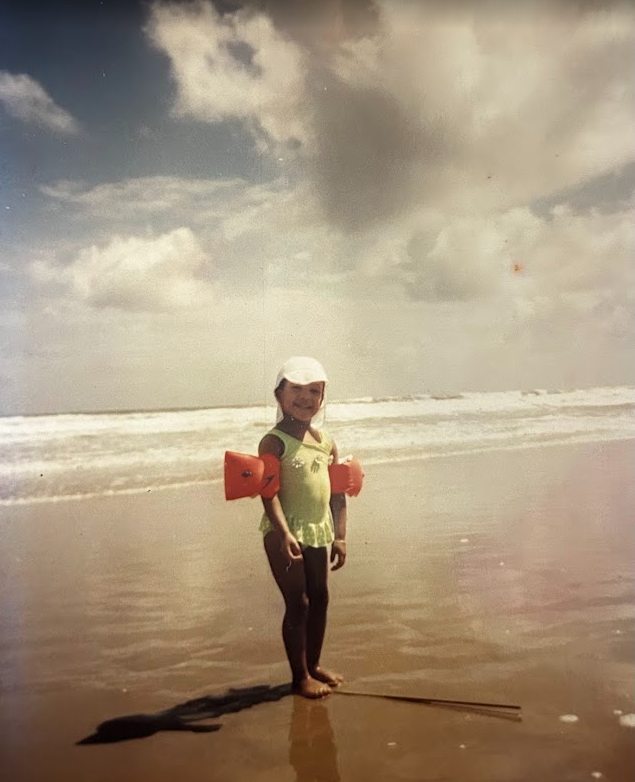
I have always loved the ocean. My mum used to call me a fish because I never wanted to come out of the water. When my family moved to Trinidad and Tobago when I was six, the sea became part of everyday life. Beaches, coastlines and island life surrounded me, and my fascination with the ocean grew alongside me.
I was also told by teachers and people around me that I could not make it and should give up on my dream. Those words stayed with me. But so did my desire to help people, and the belief that being underestimated should not decide what someone is capable of achieving.
Growing up with my cousin, who has non-verbal cerebral palsy, shaped the way I think about that. I could see how intelligent she was, even when people might make assumptions because she did not communicate through speech. It made me think about how easily someone can be underestimated when the world does not recognise their abilities or ways of communicating.
I know something about feeling out of place, too. I was badly bullied from preschool through high school. When I first started school in Trinidad, people laughed at how quickly I seemed to lose my British accent. They did not know that I went home and practised speaking with a Trinidadian accent because I was trying not to be bullied. I was also bullied about my weight, and the names people called me were awful. Those experiences affected how I saw myself and where I felt I belonged.
I have always loved an underdog story. Maybe that is part of why I love sharks, too: they are so often misunderstood. But my care for people reaches beyond any one story. I love communities, culture and travel, and I have always wanted to bring people together. I wanted to create something that connected my love of the ocean with my desire to help people feel seen, included and able to take part.
My own experience of disability is part of that story. I have Erb’s palsy, which affects my right arm. It is a birth-related injury affecting the nerves that help control the arm. For many years, I felt ashamed of it. Even small things could make me feel different, like having to do sit-ups instead of push-ups. I was also given the opportunity to represent Trinidad in Paralympic swimming, but I turned it down. These are complicated parts of my story, and I am still learning how I want to talk about them.
That is one reason accessibility matters so deeply to me. I began to question why people should always have to find their own way around barriers. Why shouldn’t we design ocean education, marine science, and blue spaces with more people in mind from the beginning?
That is where Mermaids Beyond Borders began.
The name is personal. “Mermaids” grew from my mum calling me a fish because I never wanted to leave the water. “Beyond Borders” reflects what I hope MBB can stand for: the ocean connects people across places and cultures, and the opportunity to learn about, connect with and protect it should not be limited by someone’s background, location or circumstances.
I created MBB because I wanted more people to feel that the ocean could be part of their lives, too. Ocean science, marine science and conservation should not feel like closed worlds, reserved for people who follow one particular path or fit one idea of what an ocean professional looks like. There should be room for different voices, experiences, interests and ways of participating.
Mermaids Beyond Borders brings together the things I care about: ocean education and conservation, community, culture, accessibility, representation and helping people find their place. We are still growing, and our work will continue to develop with the people and communities around us. But the heart of it remains the same: I want to help make ocean knowledge and participation more accessible, and create opportunities for people to connect with and care for the ocean.
The ocean has no borders. I believe the people who learn about it and help protect it should not be held back by them either.